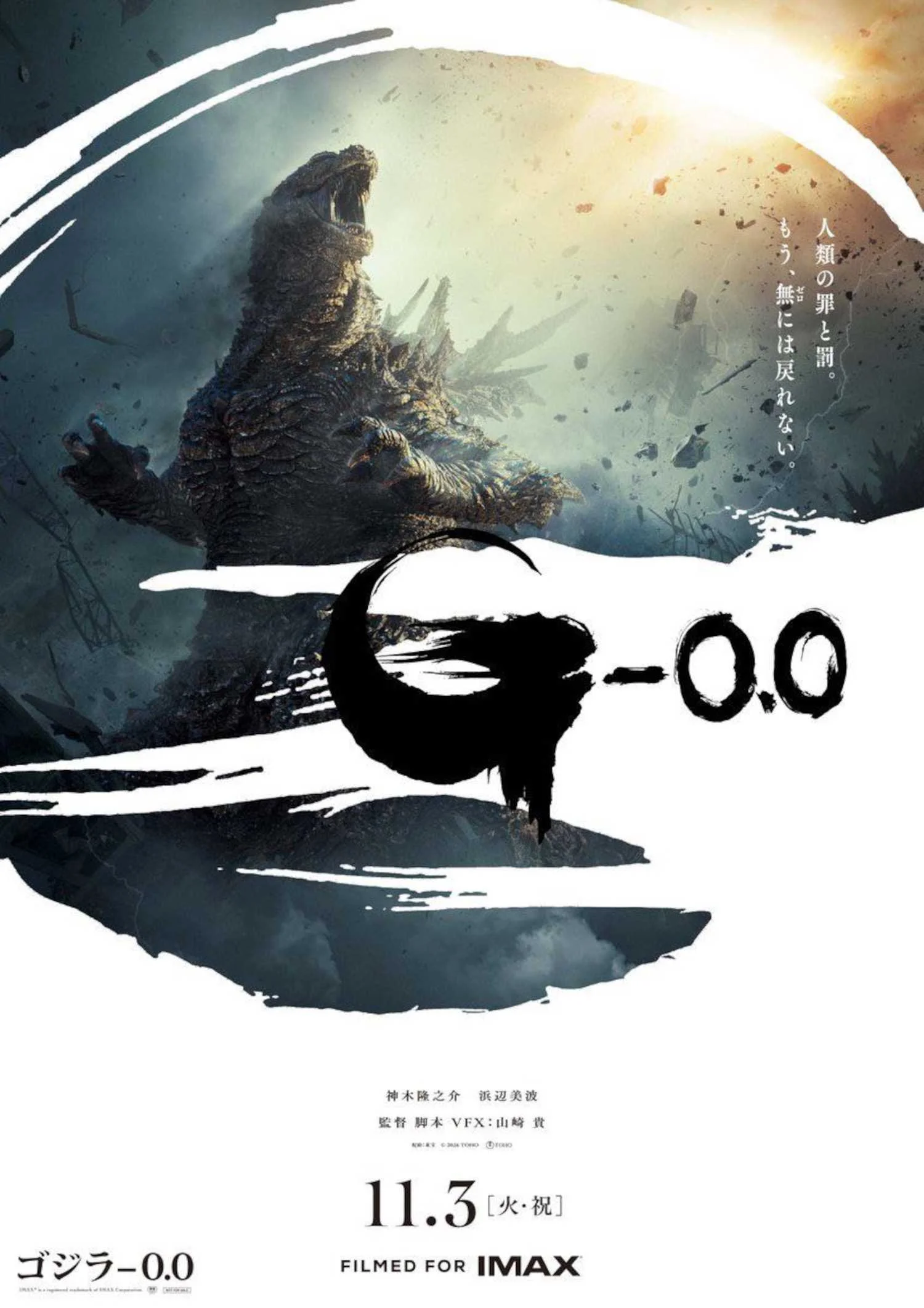
Godzilla has been around in some form since 1954; he's had more eras than Taylor Swift. The first movie stub I ever saved was for the 1998 Americanized “Godzilla,” and while I enjoyed it at 14 because I was young and dumb, it’s a very bad movie. Legendary's recent movies have been fun, but they focus more on spectacle than story. Toho, the company behind the Japanese movies, was still releasing movies during this time, but none of them made a huge cultural impact. That changed in 2023 with the release of “Godzilla Minus One.” It became one of the year's biggest movies and won an Oscar for Best Visual Effects. Now we have the sequel, “Godzilla Minus Zero.”Two years after Godzilla is defeated, the country is still recovering from those devastating attacks, and another monster emerges. When this new monster starts attacking, Godzilla's survivors must come together to face the new threat.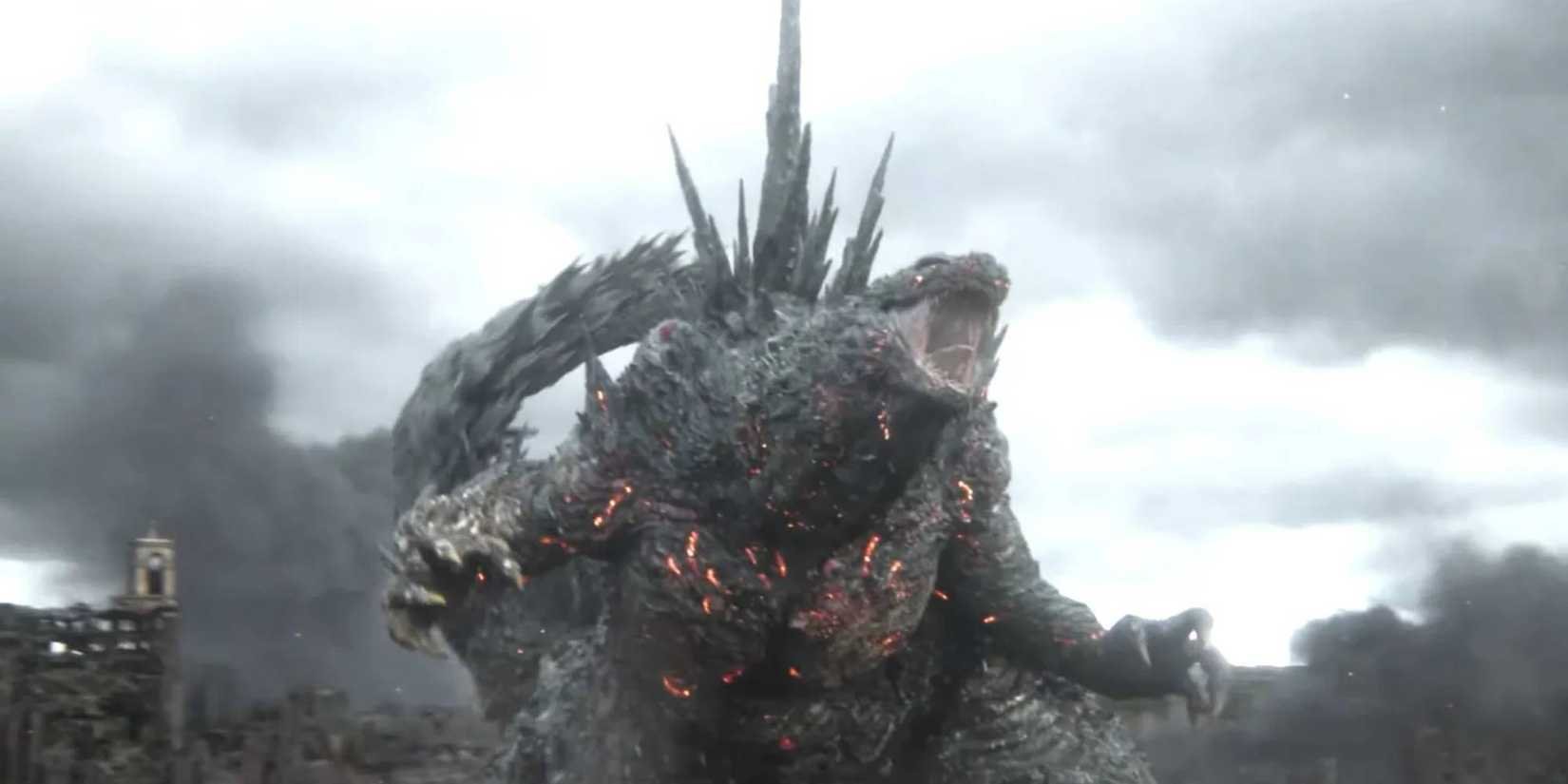
The 1954 “Godzilla” is widely considered an allegory for the use of nuclear weapons. It was made less than a decade after the bombings of Hiroshima and Nagasaki in a country still dealing with the trauma of those events. Most other movies avoided that; most subsequent films have Godzilla fighting another monster, and that is their selling point; most have titles like “Godzilla vs. insert new kaiju here,” and those created some great monsters (Mothra, Rodan, Ghidorah), so I am not faulting them for straying from the allegory. These new movies (Minus One and Minus Zero) make that subtext text. They are set after WW2, and one of the central characters is a former kamikaze pilot who panicked when he was told to fire on Godzilla. In “Godzilla Minus Zero,” one of the characters is a scientist whose family was killed in the bombing of Hiroshima. These movies have been bleak and depressing because they need to be. These are movies with a monster born of the atomic age, set in a country at a time when it had barely begun to recover from the use of atomic weapons, and feature characters directly dealing with what they went through. Writer/Director/Visual Effects Supervisor Takashi Yamazaki has said that this is the tone he chose because the people still alive who remember Japan post bomb are dying.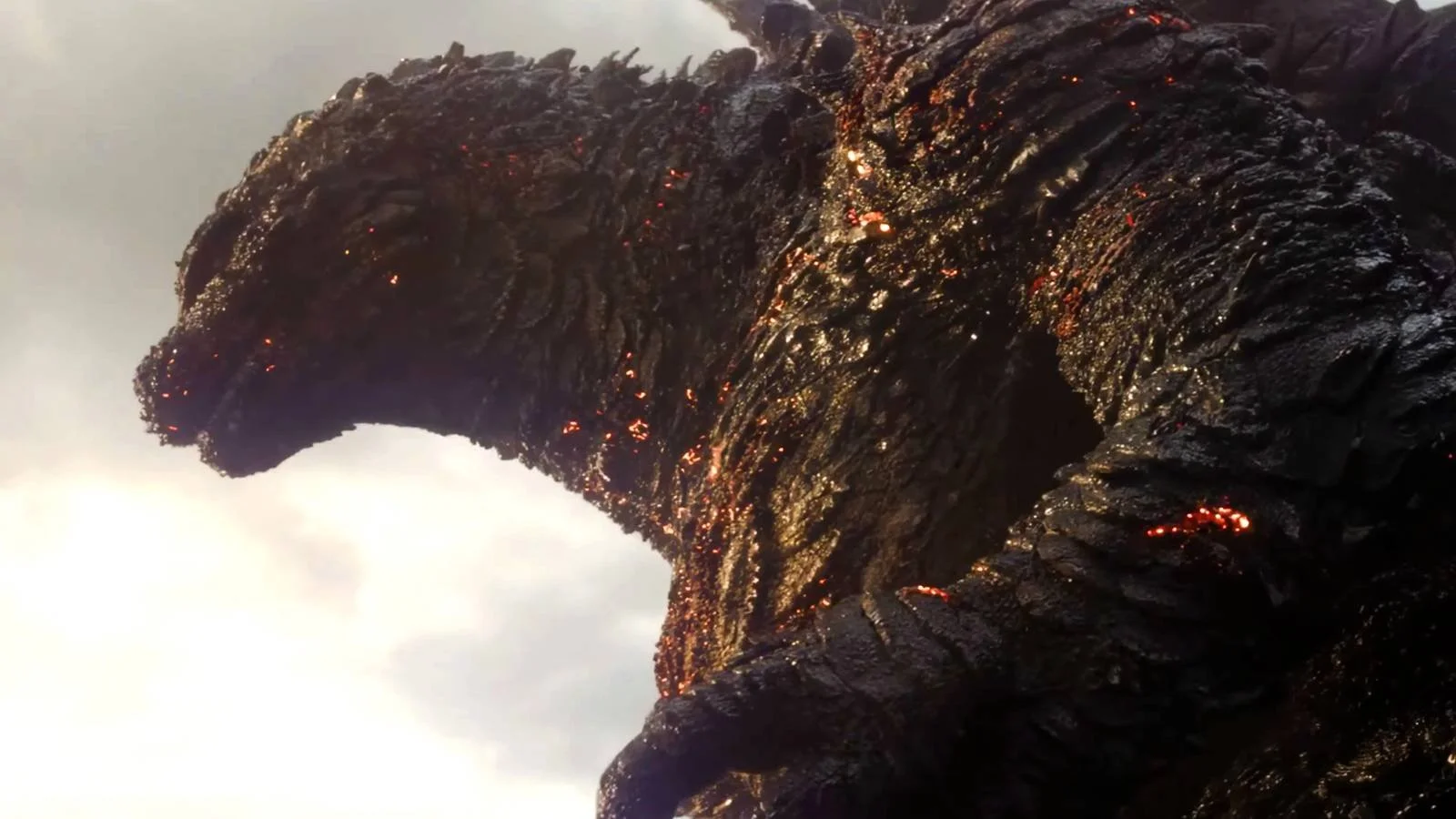
One of the things “Godzilla Minus One” was praised for was its visual effects; it did win the Oscar, after all, and those are just as standout in “Minus Zero.” Ghidorah is the new monster in this movie, and it has some spectacular sequences with him. In one, three fighter pilots take part in a plan to destroy him, giving us an incredible aerial battle as they dodge Ghidorah’s lightning blasts. Given that he is the title character, Godzilla is absent for most of the movie, but when he does show up, it is incredible. The third-act fight between the two kaiju is one of the best action scenes of 2026. I said it in my “Minus One” review, and I will say it again here. Godzilla has a weight in these movies that American movies just don’t; and I mean that literally. Godzilla is massive; from a pure physics standpoint, he is not running anywhere. He is faster in water, but once he makes it to land, every step takes time. Even what would be called his finishing move, his atomic blast, takes time to power up. You feel each blow he and Ghidorah land on one another, and it's satisfying to watch these two behemoths go at it.Godzilla is a character who is just going to keep sticking around. Whether as an allegory for some human atrocity or as a creature tasked with saving humanity from another monster threat, he is not going anywhere. I have heard that Yamazaki has an idea for a third movie, and I will be there. He has made two of the best Godzilla movies, giving us human characters we can care about and some of the best monster action ever put on screen.7/10
Rated R for some violent content/bloody images.
2h 15m