Bond, James Bond: Timothy Dalton
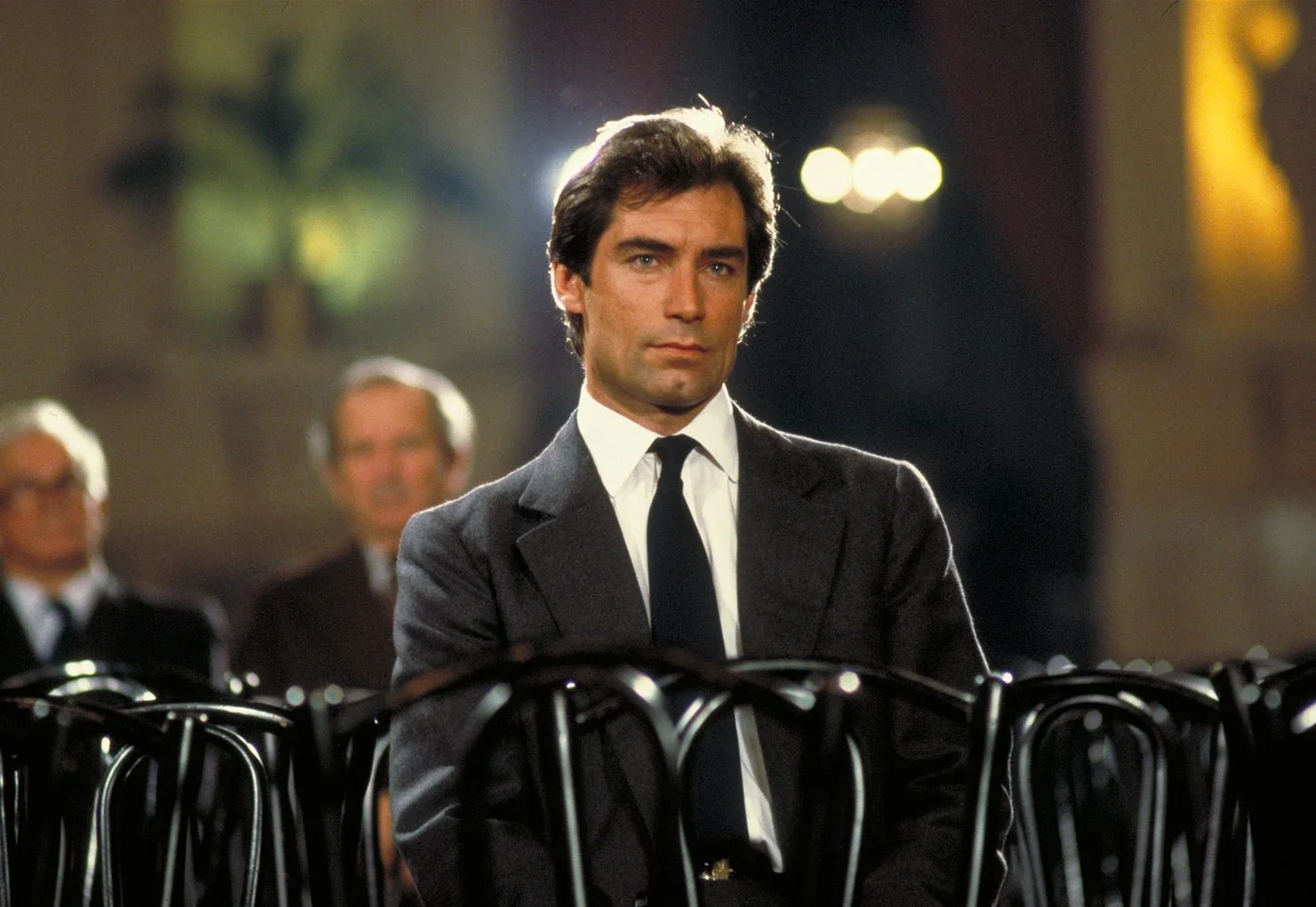
After Roger Moore left, the search for the next Bond began. Sam Neil (RIP) and future Bond Pierce Brosnan were among the names considered. Brosnan was initially offered the role, but was still under contract to NBC for “Remington Steele,” which they had recently canceled. The casting boosted interest in the canceled series. When interest dropped and the offer was withdrawn, NBC canceled it again after only five episodes had been filmed. The role eventually went to Timothy Dalton, who wanted his Bond to be different from Moore’s.Dalton’s two Bond movies offer a more grown-up version of the character. His take is much more serious and avoids many of the things that typified a Roger Moore Bond movie. “The Living Daylights” and “License to Kill” are genuinely two of the better Bond movies. There are no ridiculous gadgets; Bond is not sleeping with every woman he crosses paths with, and the plots don’t involve a bad guy with plans to destroy something to gain more wealth. In “License to Kill,” he’s not even acting as an MI6 agent; he’s on a mission of revenge. These are two lower-stakes Bond movies that don't veer into the outlandish territory seen elsewhere in the series.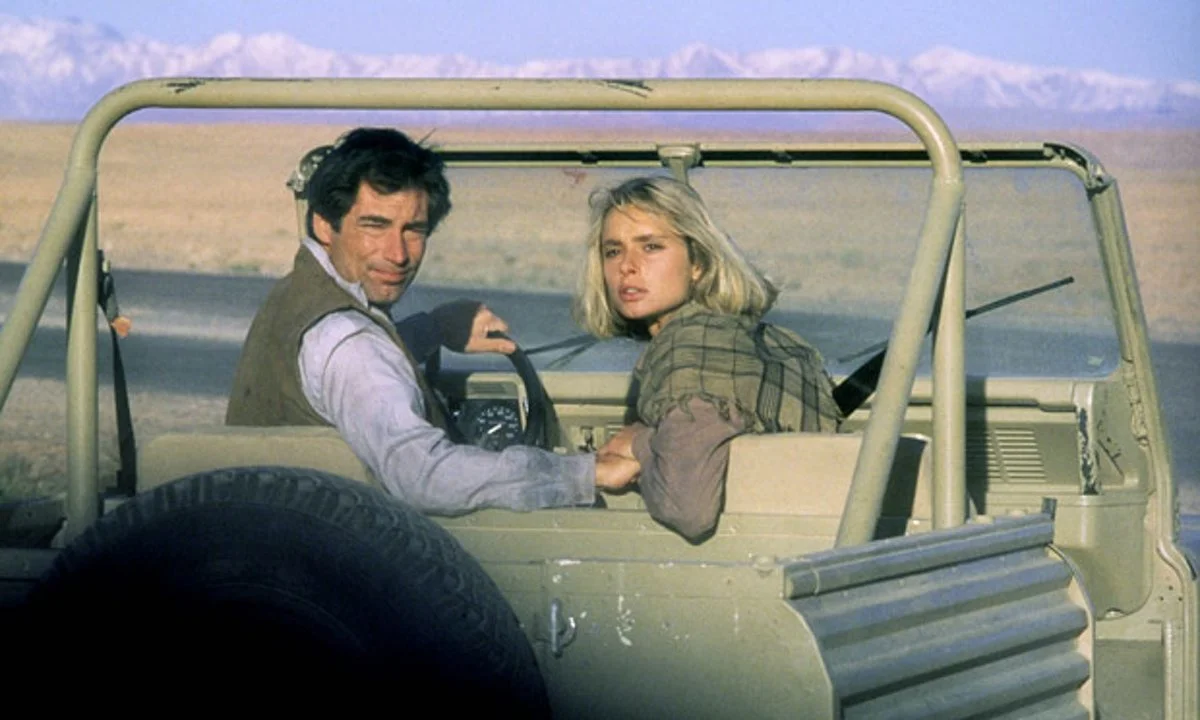
When Bond meets the “Bond girl” in each film, we see him form an actual relationship with her. Over the course of the movie, he comes to care for her and vice versa. It is refreshing to see a healthier relationship depicted in these films, something we don’t see again until Craig’s “Casino Royale,” if I remember Brosnan’s films correctly. In “The Living Daylights,” Maryam d’Abo’s Kara Milovy is involved with a KGB officer who is defecting, and Bond earns her trust. When the defection is revealed to be a fake, she and Bond work together to figure out what is going on. They don't even kiss until the end of the movie. It really hit me that it is unbelievable for Bond to be sleeping with multiple women when the fate of the world is at stake. In these films, saving the world comes first, and romance waits until the job is done.I will probably dive into this more with my next post, but there isn’t really an overarching plot in these movies, so Bond, as a character, is a blank canvas. In “License to Kill,” we get as close to Bond being an actual character as in any of the previous movies. At the end of “On Her Majesty’s Secret Service,” Bond marries Diana Rigg’s Contessa Teresa di Vicenzo, and Blofeld kills her as he goes after Bond on their wedding day. It's referenced a few times, but never as pointedly as in “License to Kill.” The movie opens with Bond and CIA Agent and friend Felix Leiter’s (David Hedison) wedding. Felix’s new wife gives her garter to Bond, implying he's next to get married. Bond turns it down and leaves the wedding. Felix tells her that he was married a long time ago. It is one of the few times we see Bond acknowledge this past relationship. It makes him a deeper and more complex character.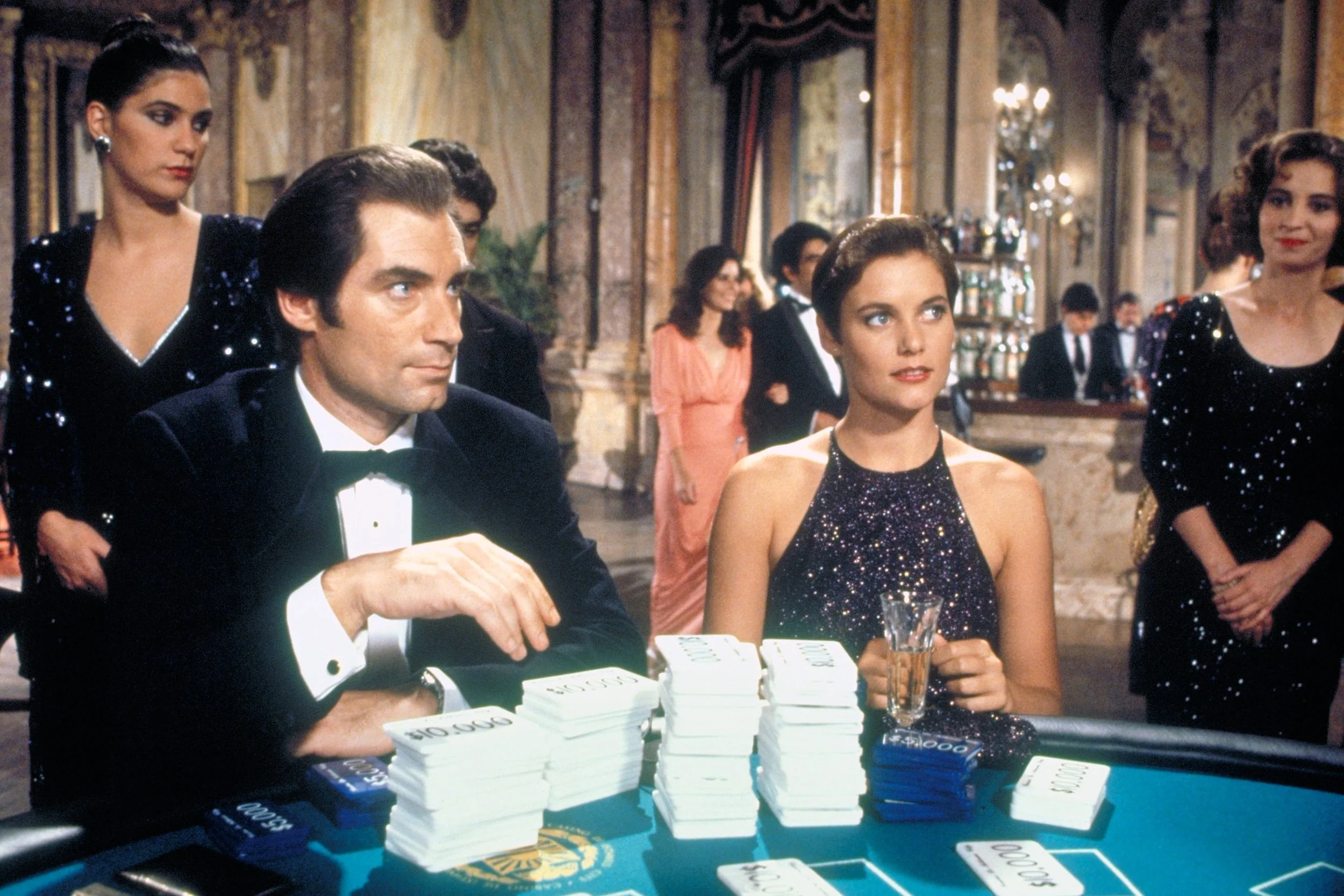
I think “License to Kill” is the best of Dalton’s two movies. It differs from the other movies in the series because it's a personal movie. Over the series, we have seen Bond interact with Felix many times, and the two are clearly friends, so it was great to see Bond in the wedding party. When Felix is severely injured and his new wife is killed, nothing else matters to Bond except revenge. The fact that Sanchez (Robert Davi) happens to be a drug dealer and involved in illegal things is secondary to making sure he pays for what he did to his friend. It is one of the few examples of Bond having a relationship outside of the confines of his job-the other example is his flirtatious relationship with Moneypenny.I am genuinely bummed that Dalton only did two of these because he is a very good Bond. I love what he did with the character and how his Bond and his movies feel different than the ones that came before. That difference is exactly why I would easily go back and watch these again. I am 16 movies into this, and these two were a breath of fresh air. This series tends to rely on action, gadgets, womanizing, and spy-movie tropes rather than telling a good story and making an interesting movie. Sure, some of these have been a lot of fun to watch, but looking at them with a critical eye here in 2026, the flaws become very apparent.Next Time: Pierce Brosnan