Bond, James Bond: Pierce Brosnan
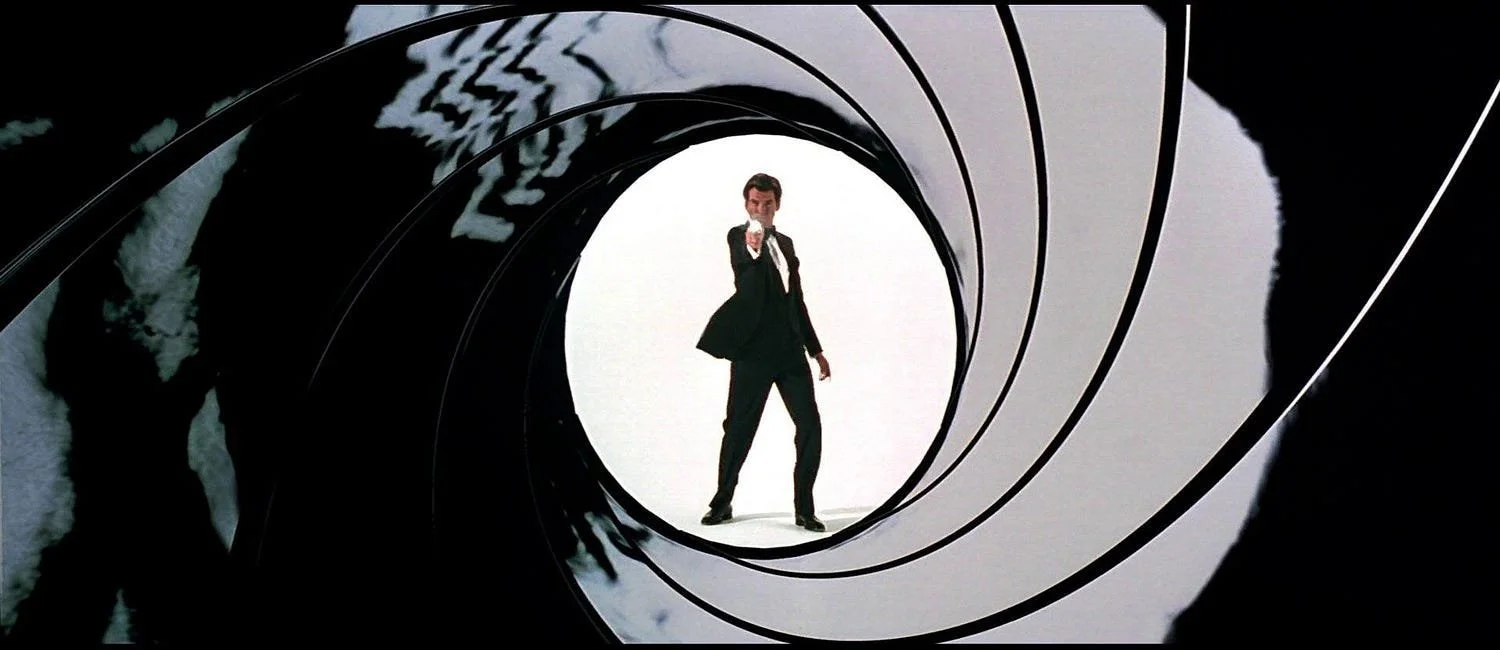
Legal issues between the studio/distributor and the rights holders caused a six-year delay in the next Bond movie following “License to Kill.” During that time, Dalton’s contract expired, and he decided to leave the role; he was contracted to do three Bond films. With no one in the 007 role, they had to pick a new leading man. The role went to the man who had it before and lost it the last time: Pierce Brosnan. His first, “GoldenEye,” is considered one of the best of the series, but 2002’s “Die Another Day” was one of my least favorite. It takes everything I don’t like about the movies and leans into it. And, to top it all off, it has a space laser.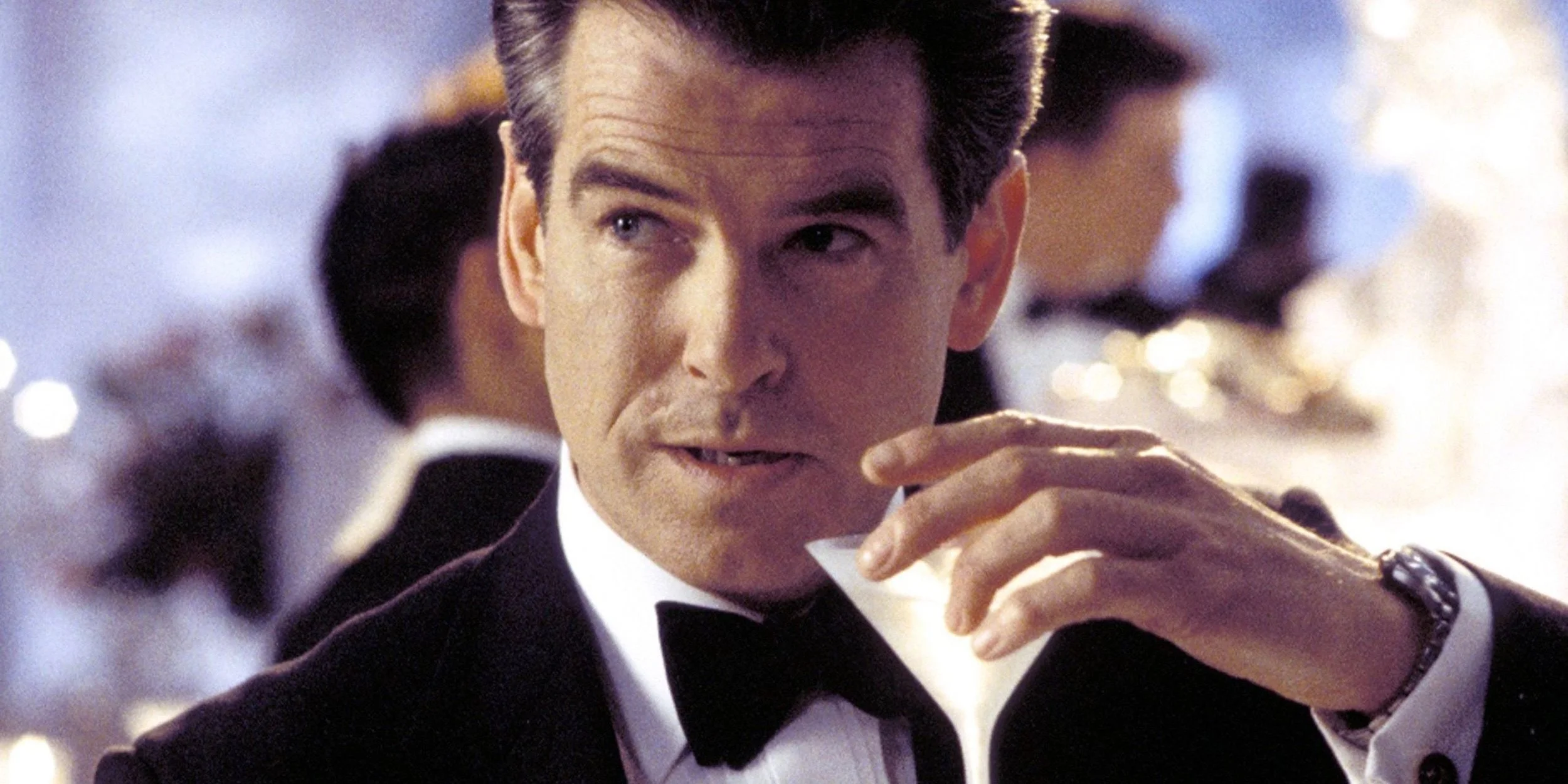
But let’s not dwell on the bad. What I want to talk about is an idea I mentioned last time: Bond is not a character. He is simply an avatar. He is one of the most famous movie characters in history, and he’s not much more than an empty shell that these actors get to inhabit. You don’t go to these movies to see the story's progression (because there is no cohesive story between these movies) or how Bond’s character changes (because he really hasn’t); you go for the action. His sole motivation, with one exception, is that he's assigned the mission. Now you could chalk that up to him being a spy, but I would argue that is a weak excuse. Look at the second-most famous cinema spy, Ethan Hunt (Tom Cruise). In the third movie, Hunt has gotten married and stepped back from the IMF. He’s an instructor training new agents. In the first twenty minutes of that movie, we learn more about him as a person than we have learned about Bond in almost any Bond movie (Craig’s Bond is the exception). He is willing to leave his line of work for the woman he loves (Bond didn’t even do that). I know this point is slightly undercut by the events of “Ghost Protocol,” but that movie also shows the sacrifices Hunt makes for those he loves.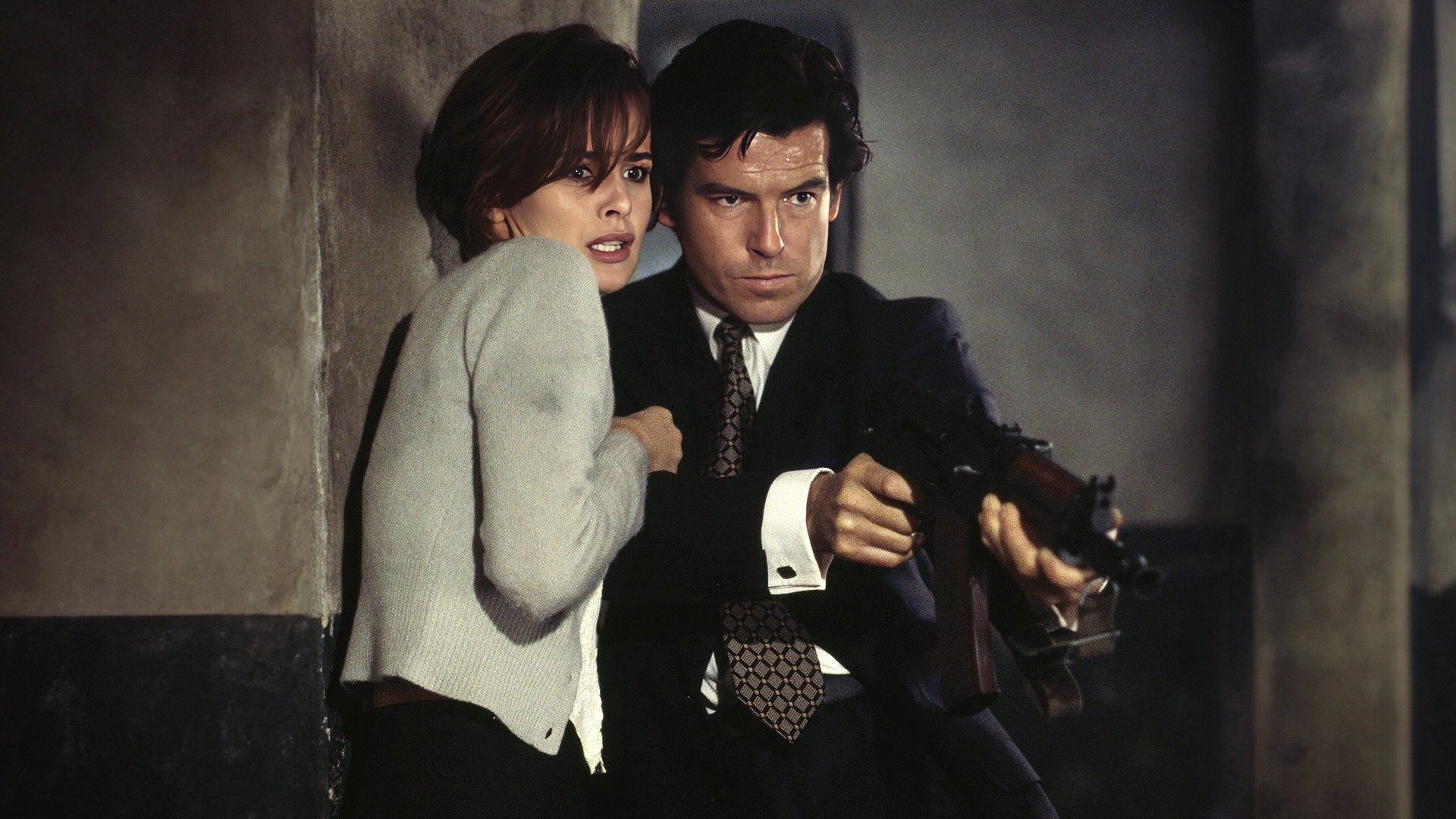
One could argue that the Bond movies don’t focus on his personal life, but most Mission: Impossible movies don’t either; they give Ethan Hunt a life outside of work. But that also does a fantastic job of showing him as a character during his job as well. The team he works with is filled with people he cares about-a huge part of the last movie was that Hunt can’t choose between saving the world or saving a member of his team. He is constantly put in the position of catching the bad guy or saving someone on his team and always chooses the latter. The problem is that Bond, while part of MI6, isn't part of a team. He goes on these assignments alone, so we don’t get to see who he is outside the context of his job.Here is what we know about James Bond. He is in British Intelligence, has a license to kill, is very skilled at his job, and that is about it. We are never given even a glimpse of Bond’s interior life. We know of one friend: Felix Leiter (a character they ignored for Brosnan’s run), and even then, it is only confirmed that they are friends in “License to Kill,” when Bond goes to Leiter’s wedding. The only semi-romantic relationships we see are: 1) with Silvya (a woman who appears at the beginning of the first two and whose name I just learned) and 2) his very flirtatious relationship with Ms. Moneypenny. No other woman makes it to a second movie. Meanwhile, Hunt’s wife/ex-wife Julia (Michelle Monaghan) shows up in three movies and plays a pivotal role in two of them. The women in Bond’s life are ephemeral, meant to be window dressing and nothing more.There is a shift when we get to our next Bond. However, these elements are still there (Can Bond be Bond if he’s not driving a nice car fast?), but they have a little more attention to a more cohesive story, and Bond becomes a bit more of a character; he marries, has a kid, leaves the spy game, and makes sacrifices for the woman he loves. With Craig, Bond better reflects the times in which his movies are made.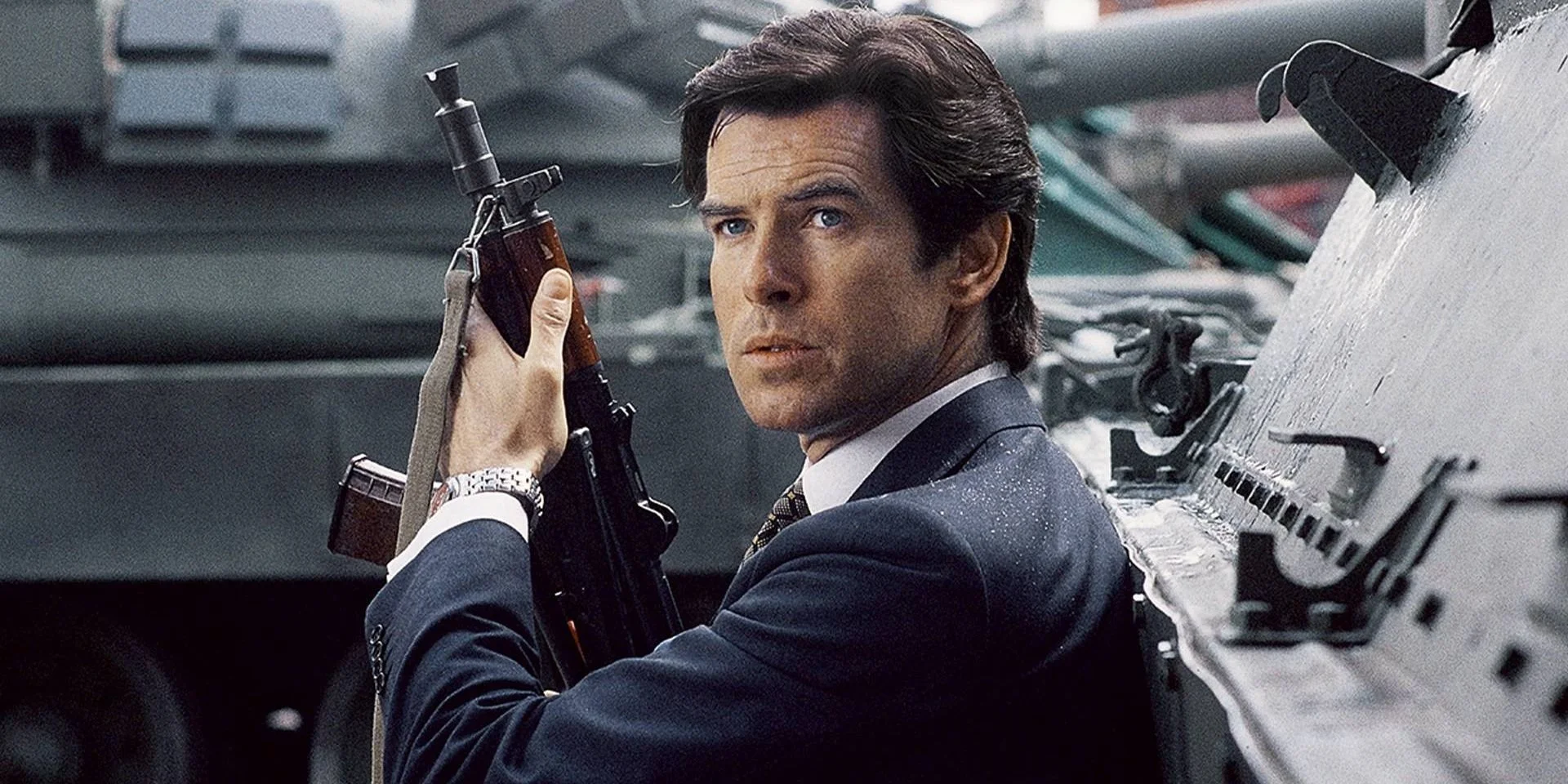
Bond serves as a male fantasy. He goes around the world drinking cocktails, attending fancy parties, sleeping with attractive women, driving luxury cars, using cool gadgets, shooting guns, and saving the world. What guy wouldn’t want to live that life? In the 50s/60s through even the 90s/00s (and even today), most movies were targeted at (white) men, and at their most basic, movies are an escape. Show your target market a guy doing all the things they wish they could do, and you will get butts in seats. That is why James Bond as an avatar is not necessarily a bad thing. I have enjoyed a good number of these movies despite Bond being a non-character. They can be fun escapism- the good guy always wins; he gets the girl and looks good doing it. The Brosnan Bond movies aren't trying to be anything more than Bond movies, so they rely on the franchise's familiar tropes and just want to deliver the hits; even the brilliant “GoldenEye” does it. These movies have never been about developing their hero beyond being a cool spy who drinks shaken vodka martinis.Next Time: Daniel Craig