Bond, James Bond: Daniel Craig
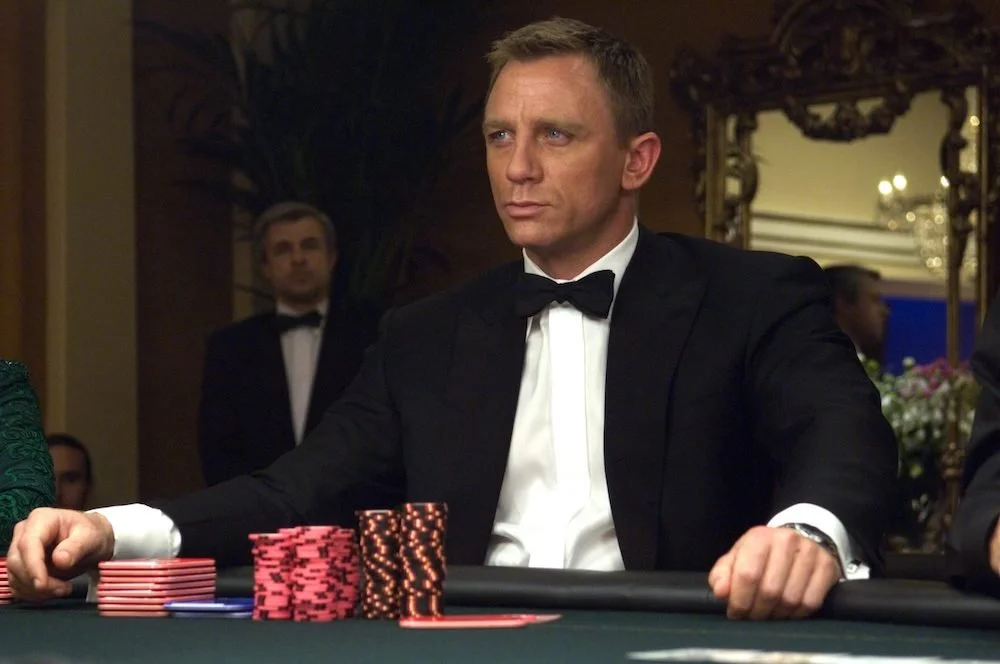
I have tried to keep spoilers to a minimum in these, but considering how Daniel Craig’s last Bond ends, assume MAJOR spoilers for his moviesAfter Brosnan finished the role, the decision was made to reboot the series. Forget everything that had come before and start fresh. I applaud this decision because it let the series shed the baggage and expectations that came with over four decades of movies. The result is the best Bond movie in the franchise’s long history: “Casino Royale.” I love the opening scene where we see Bond get his 00 status because it sets up the movie perfectly. This Bond is new to this and isn't the legendary spy we have seen in the other 21 films. It sets this movie up as a new continuity, and that is what the rest of Craig’s Bond movies attempt to do: tell a story of this James Bond over the course of a few movies- now, whether or not they were successful is a different story.The first movie introduces a new Bond and establishes that he is smart and capable; he has a great ability to read people, but can be cold and distant. We see that change when Vespr Lynd (Eva Green) enters the picture. They flirt back and forth, and the seeds of their relationship are planted. She is there to manage the money the treasury is lending for the high-stakes poker game Bond is playing in. She is not one to fall for his charms easily and can keep him at arm's length: this is business and nothing more. Her introduction scene is incredible: she shows up on a train, and after talking business, they both take turns sizing each other up. She thinks she knows what kind of man he is, and he thinks he knows what kind of woman she is. Over the course of the poker game, through a few near-death experiences, they get closer (not lovers, but two people who come to care for one another). Sadly, it ends tragically for Vesper, and Bond feels betrayed, leading to the second movie.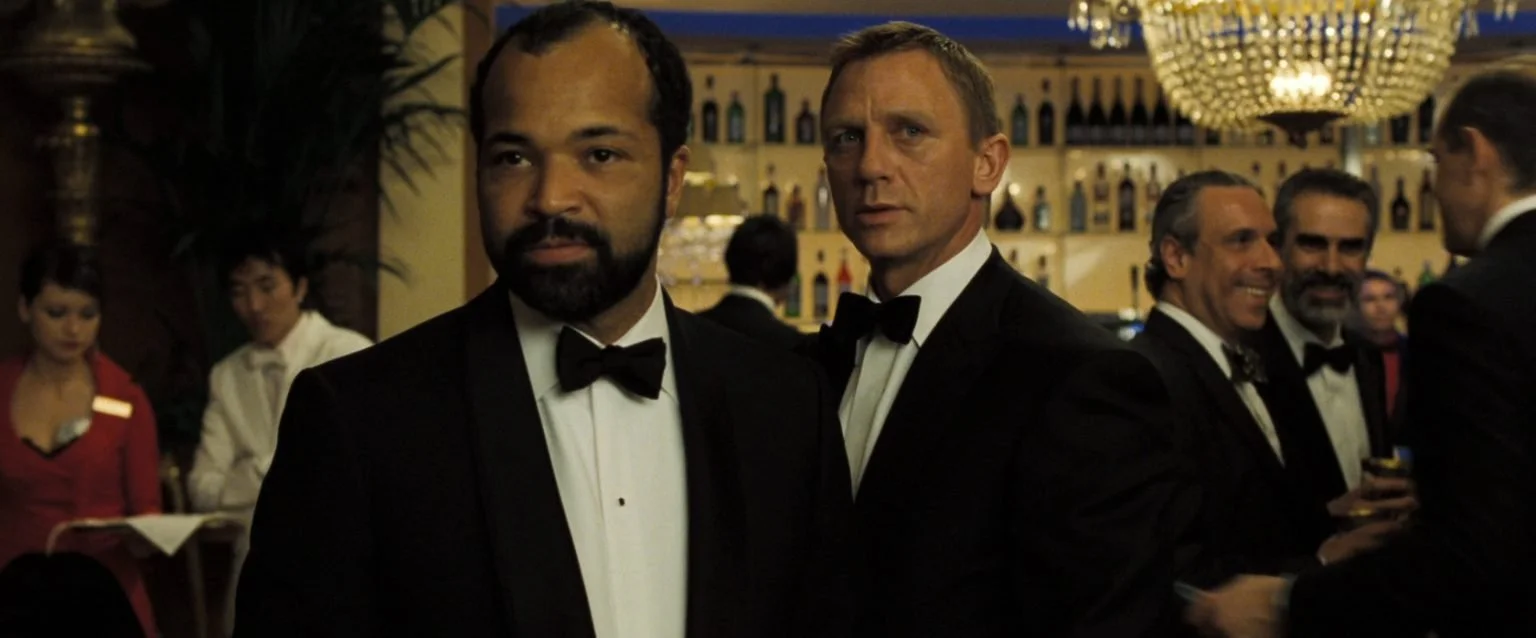
Before we get to “Quantum of Solace,” I need to talk about the reintroduction of CIA Agent Felix Leiter (Jeffrey Wright). Across his three appearances in four movies, we see the mutual respect he and James have for one another. In exchange for letting the CIA bring in Le Chiffre (Mads Mickelson) in “Casino Royale,” he will stake Bond the money to buy back into the poker game. The two form a bond based on mutual respect and helping one another. Bond gets to beat Le Chiffre, but the CIA will take him in. We see that loyalty and trust get tested in “Quantum of Solace.” The CIA wants to work with the bad guy that Bond is after and hopes to take Bond out of the picture. He meets with Felix in a bar, and before the CIA can take him in, Felix tells James what is happening and helps him escape. Here, Felix knows that Dominic (Mathieu Amalric) is a shady guy who is only out for himself despite his virtuous appearance, so Felix chooses his friend over what his commanding agent says. The next time we see him is in the final movie, “No Time to Die.” Bond, who has been out of the spy game after falling in love, agrees to help Felix capture a Russian scientist working for Specter. It is more of a relationship than the two have had in the other movies. I really wish Wright was in the movies more; he is a fantastic actor, and the interplay between the two government agents was always a highlight.Back to Bond’s evolution.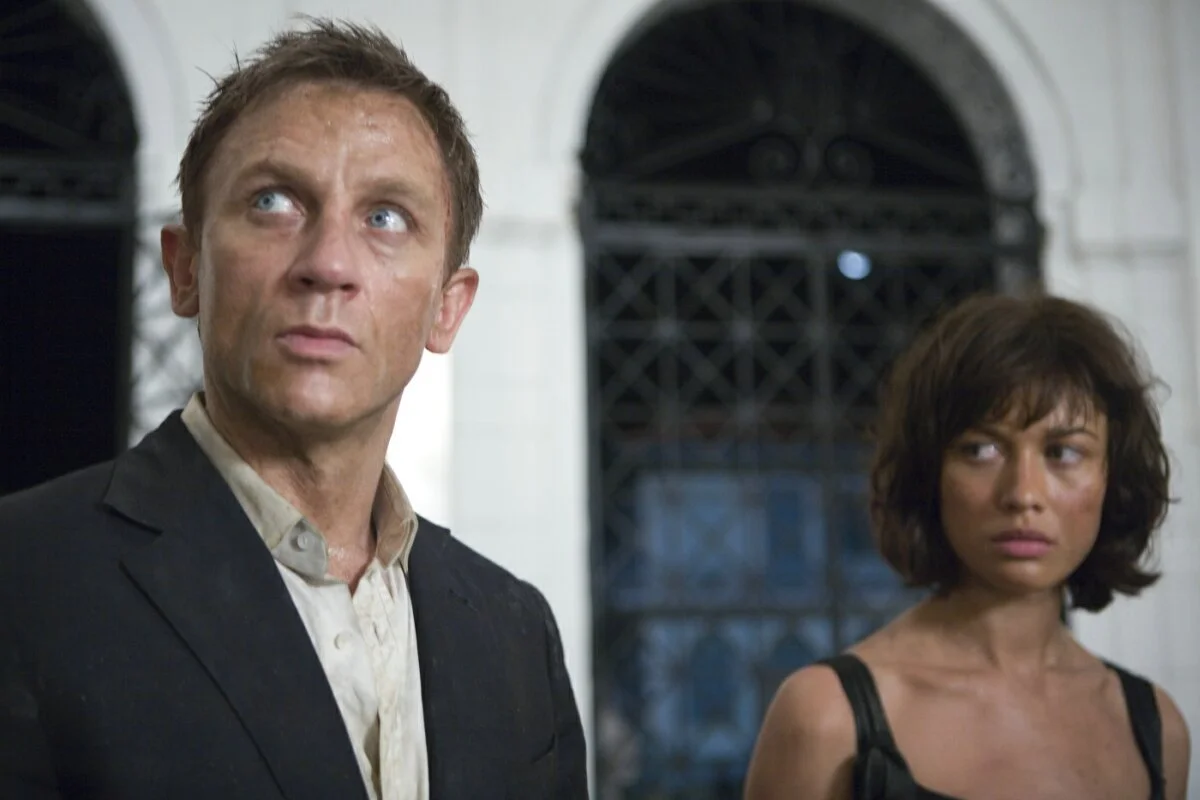
He is hurt and angry by the events of “Casino Royale.” His response to M (Judi Dench) when she asks if he is ok is, “The job’s done. The bitch is dead.” He loved Vesper, and the betrayal has turned that love into hate. While “Quantum of Solace” is not a good movie, it does show some character growth in Bond. He is quick to sleep with Agent Fields (Gemma Atherton) because he essentially views women as fleeting dalliances and doesn’t want to get close to another one. By the time the movie ends, though, he is on his way to forgiving Vesper and healing himself. Then we get to “Skyfall” and “Spectre,” and some big revelations about Bond’s past. The climactic final confrontation of “Skyfall” takes place at his childhood home, a place he hasn’t been since his parents died when he was a child. Then we get to “Spectre” where we learn more about the past of Craig’s Bond than in any other. After his parents died, Hannes Oberhauser fostered him. He had a son named Franz, who, after about two years, grew jealous of the attention James was getting from his father. He ended up staging an avalanche (Hannes was a mountain climber), killing his father and leaving Franz presumed dead. He emerges years later as Ernst Blofeld and starts Spectre. He has been behind the scenes, manipulating the events of Bond’s career.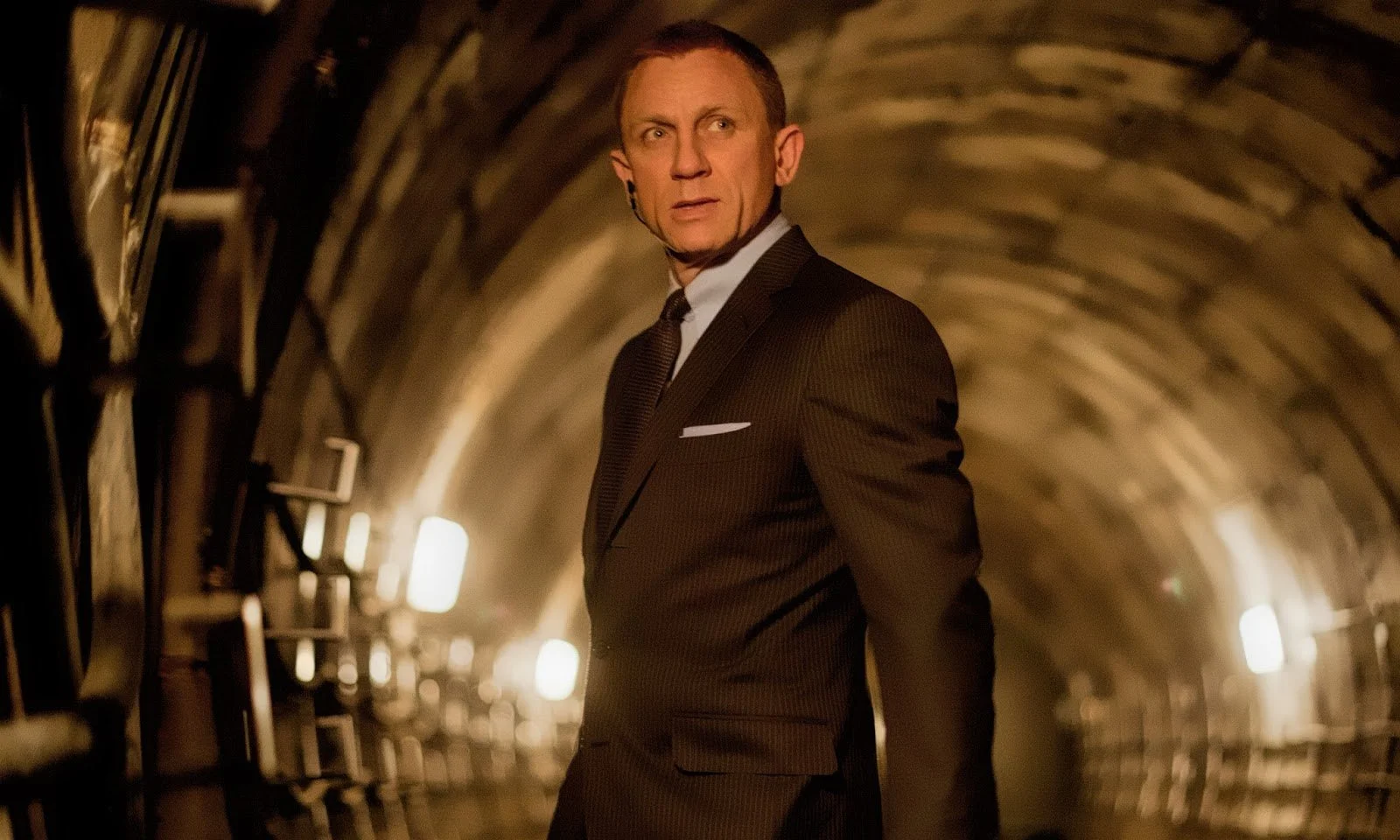
Here is where the connective tissue of these movies tends to fall apart. If Blofeld was behind the events of the movies starting with Vesper, that should have been seeded more in the movies. What this movie does is retcon Blofeld/Spectre into the previous movies and make him a bigger influence, even though this was never hinted at. It is a very messy insert, but it makes the revelation that Blofeld was Bond’s foster brother a bigger deal. His envy of Bond goes so deep that he has made it his mission to destroy Bond and MI6. I think it is a very good idea, but it needed to be more of a throughline. Even something as simple as a character talking to Blofeld on the phone or referencing a bigger threat.FYI, retcon means retroactive continuity, or when facts from a previous story are altered or ignored to fit into a newer story’s narrative. One of the most famous examples is how the events of Sherlock Holmes’ death were retconned when he came back in another story.In “No Time to Die,” Bond has left the service (there is even a new 007) and is living with Madeleine Swann (Léa Seydoux), whom he met in “Spectre.” The plot is a bit complicated, but my focus is that Bond has a child by the end of the movie. He didn’t know about her, but when the bad guy brings him and Swann back into each other’s lives, he discovers that Madeline had a child (who she claims is not his, but is revealed to be his by the end). In a final fight, Bond is injected with a poison that would kill Madeline and her daughter if he ever touched them. Missiles are coming to destroy the poison-making facility (where Bond still is), and while other Bond movies would have him escape and find a way around the poison, this one does not. Bond makes it to the roof, gets Madeline over the radio, and they have one final conversation before the missiles come and destroy the facility and kill Bond.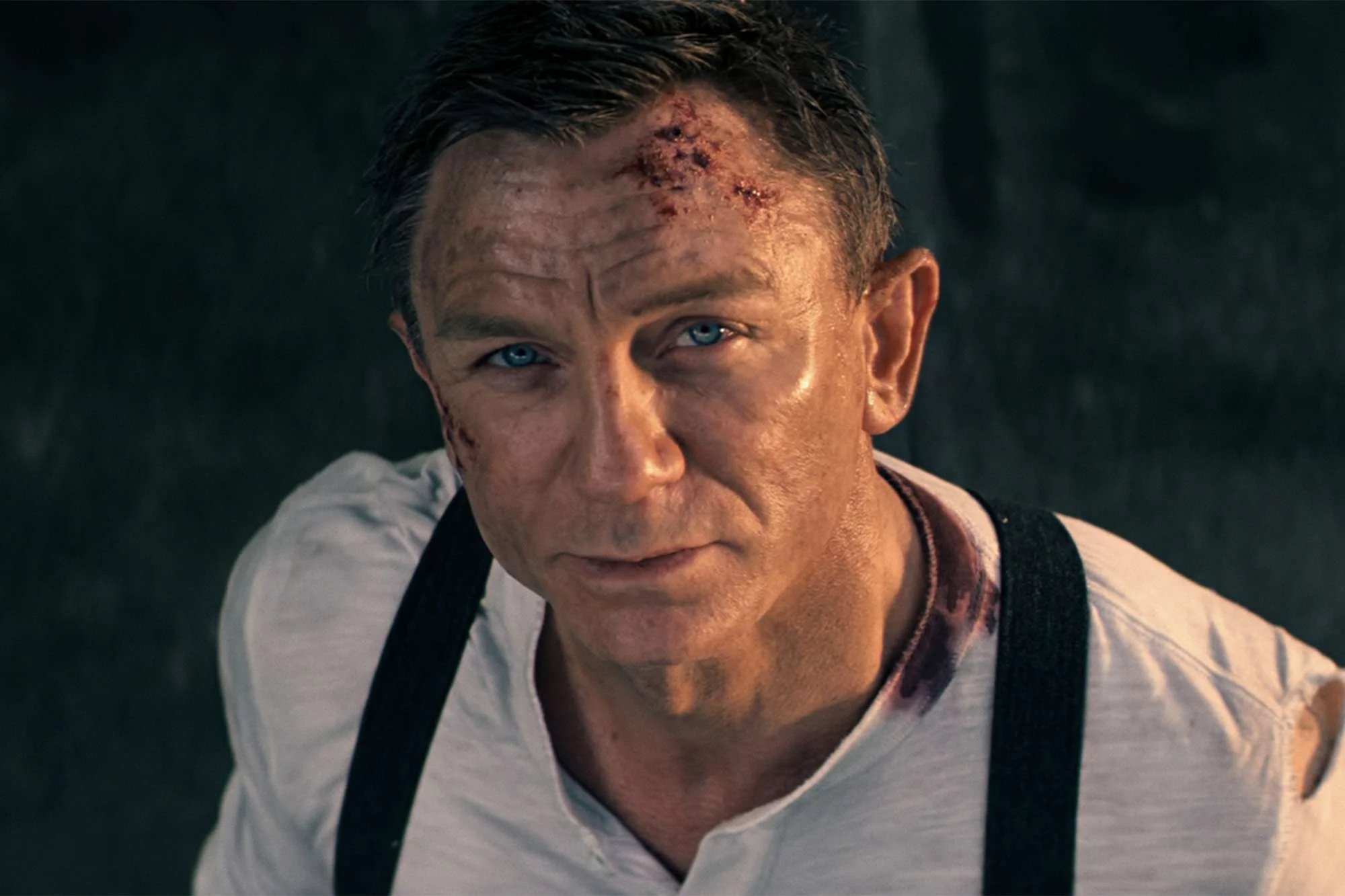
This is not the play Bond would have made in the first movie. He did not make connections with others and would never have sacrificed himself like that for anyone. We have seen this Bond go from a man who is dedicated to his job, is a bit reckless, and someone who uses people to accomplish his mission to someone who can dedicate himself to something bigger than his job, is more calculating (when he can be), and someone who has learned to trust and rely on others. The movies may be a mixed bag, but they allowed James Bond to become an actual character.I have now watched all 25 Bond movies. It has been a lot of fun, and I have enjoyed writing about each iteration of the character. Going through all these movies in the past two months has been an interesting experiment. I have gotten to see how Bond has changed over the past 50 years and how the decade in which they were released affected the character, story, and tone of the films. We are currently in that period between Bonds. Since Craig’s last film, Amazon has bought MGM and, with it, the film rights to the Bond franchise. They have, according to reports, recently begun the search for the next 007. It will be interesting to see what path they take with the 26th film; will they go back to the campy Bond, or keep him grounded like the Daniel Craig movies? Are they just going to start over again and make one-off Bond films, or will they try to give the new Bond an arc over their movies? Will it be an original story, or will they try to remake one of the movies based on the Ian Fleming novels?